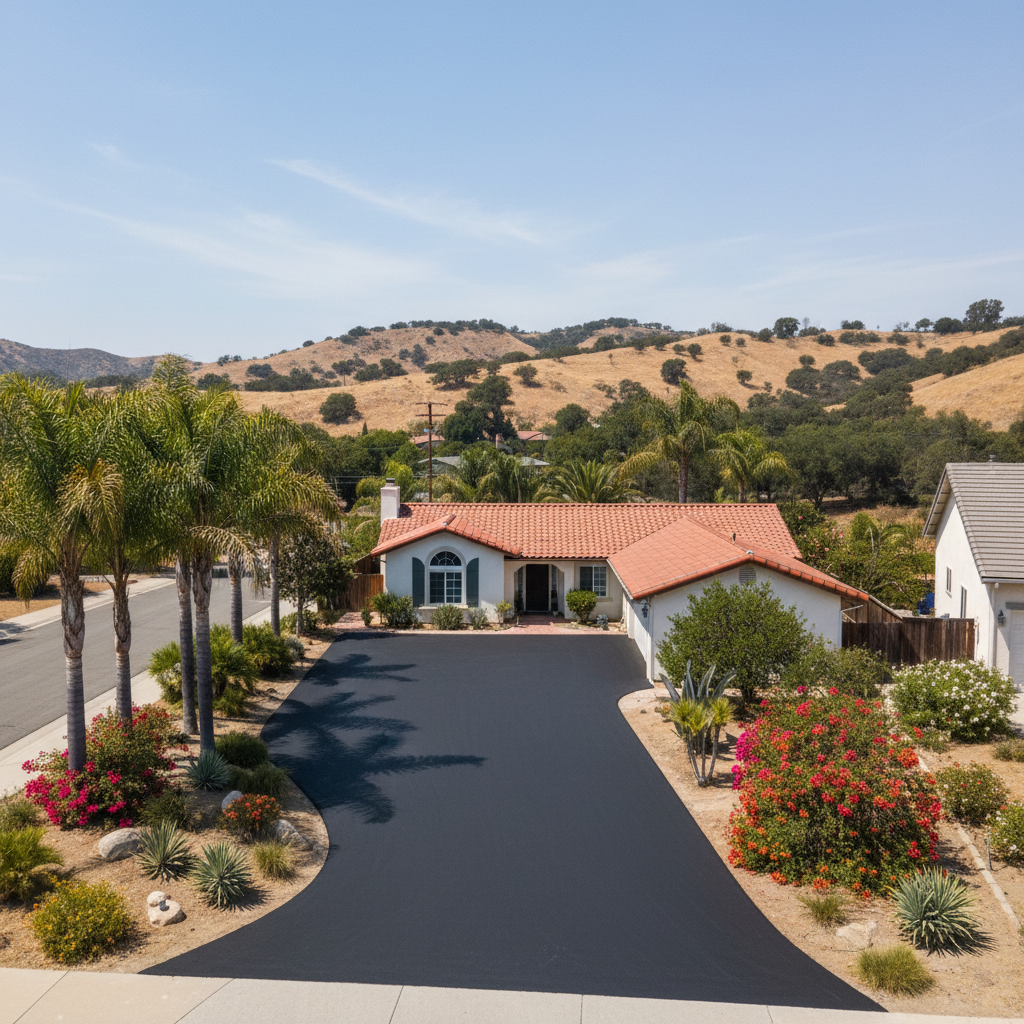
So, you're thinking about getting some asphalt work done at your place, huh? Maybe a new driveway, a fresh path to the garage, or fixing up that old, cracked surface. That's great! A good asphalt job doesn't just look better; it protects your property and can even boost its value. But before you jump in, there's a bit of planning involved. As a contractor right here in Van Nuys, I've seen it all, and I want to give you the straight scoop on what you need to know.
Setting Your Project Timeline
Let's talk timing. This isn't like ordering a pizza; you can't just call up and expect a crew to show up tomorrow. For a residential asphalt project, you're usually looking at a few weeks, sometimes a month or more, from your first call to the finished product. Here's a rough breakdown:
- Initial Contact & Estimate: This can happen pretty quickly. You call, we schedule a visit, I come out, measure, assess the site, and give you a quote. This usually takes a few days to a week.
- Decision & Scheduling: Once you've got your quotes and picked a contractor (hopefully us at Majestic Asphalt Company!), you'll sign a contract. Then we'll get you on the schedule. Depending on the season and how busy we are, this could be anywhere from two weeks to a month out. Spring and fall are usually our busiest times, especially after the winter rains that can really mess up existing pavement.
- Permits (if needed): Most residential driveways don't need a permit unless you're significantly changing the drainage or impacting public right-of-way. But if you're doing something bigger or tying into a city street, that's a whole other ballgame. Permitting can add weeks, sometimes months, to the timeline. Your contractor should tell you if permits are required and who's responsible for getting them.
- Actual Work: For a standard residential driveway, the actual paving work itself might only take a day or two. But that's after any necessary prep work like excavation or grading, which could add another day or two.
- Curing Time: This is crucial. Once the asphalt is down, you can't drive on it immediately. We'll give you specific instructions, but generally, you'll need to keep vehicles off it for at least 24-72 hours, sometimes longer depending on the weather and asphalt mix.
What to Expect During the Process
Alright, so you've signed the contract, and we're on the schedule. What's going to happen when the crew shows up?
- Noise and Dust: We're using heavy equipment – excavators, rollers, dump trucks. It's going to be noisy, and there will be some dust. We do our best to minimize it, but it's part of the job.
- Restricted Access: For at least a day or two, maybe longer if we're doing extensive excavation, your driveway or access point will be blocked. Plan ahead for parking cars on the street or with a neighbor. Make sure you've got everything out of your garage that you might need.
- Crew Presence: You'll have a crew of guys on your property. They're professionals, but they're also working hard. They'll need access to your property, and sometimes a restroom or water, though we usually bring our own.
- Smell: Fresh asphalt has a distinct smell. It's not harmful, but it's definitely noticeable for a few days.
- Cleanup: We'll clean up the site as best we can when we're done. There might be a few small bits of asphalt or gravel, but we're not leaving a mess.
How to Prepare Your Property
A little prep on your end can make things go a lot smoother:
- Clear the Area: Move anything and everything off the driveway or work area. Cars, trash cans, planters, toys, garden hoses – get it all out of the way.
- Trim Landscaping: If you have bushes or tree branches hanging over the work zone, trim them back. This gives the crew room to work and prevents damage to your plants or our equipment.
- Secure Pets: Keep your pets indoors or in a secure, fenced area away from the work. Open gates or busy work sites aren't safe for them.
- Inform Neighbors: It's a good idea to give your immediate neighbors a heads-up. Let them know there will be noise, dust, and potentially some temporary parking issues. A little courtesy goes a long way.
- Mark Sprinklers/Utilities: If you have any underground sprinkler lines, low-voltage lighting, or other buried utilities that aren't marked, point them out to the crew before they start digging. We're careful, but it's better to be safe.
Crucial Questions to Ask Before Signing
Don't just sign the first thing put in front of you. You're investing your money, so ask questions. Any reputable contractor, like Majestic Asphalt Company, will be happy to answer them.
- What exactly is included in the price? Get a detailed breakdown. Does it include excavation, grading, base material, asphalt layers, compaction, and cleanup? What about hauling away old material?
- What kind of asphalt mix will you use? There are different types. For residential driveways in our Van Nuys climate, you want something durable that can handle the summer heat and occasional heavy rains without cracking or rutting easily.
- What's the thickness of the asphalt? For a residential driveway, you typically want at least 2-3 inches of compacted asphalt on a solid base. Don't let anyone tell you less.
- What's your process for base preparation? The base is the most important part of any asphalt job. If the base isn't right, the asphalt won't last. Ask about grading, compaction, and the type of aggregate they'll use.
- Do you have insurance and licensing? This is non-negotiable. Ask for proof of liability insurance and workers' compensation. Make sure they're licensed to work in California.
- Can I see references or examples of your work? A good contractor will have plenty of satisfied customers and projects they're proud to show off.
- What's the payment schedule? Most contractors will ask for a deposit, then progress payments, with the final payment due upon completion and your satisfaction. Be wary of anyone asking for 100% upfront.
- What kind of warranty do you offer? A reputable contractor stands behind their work. Get the warranty details in writing.
- How will drainage be handled? This is huge, especially here in the Valley where we get those intense downpours. You don't want water pooling on your new driveway or running toward your house.
Planning an asphalt project doesn't have to be a headache. By knowing what to expect and asking the right questions, you'll ensure you get a quality job that lasts. We're here to help make that happen.