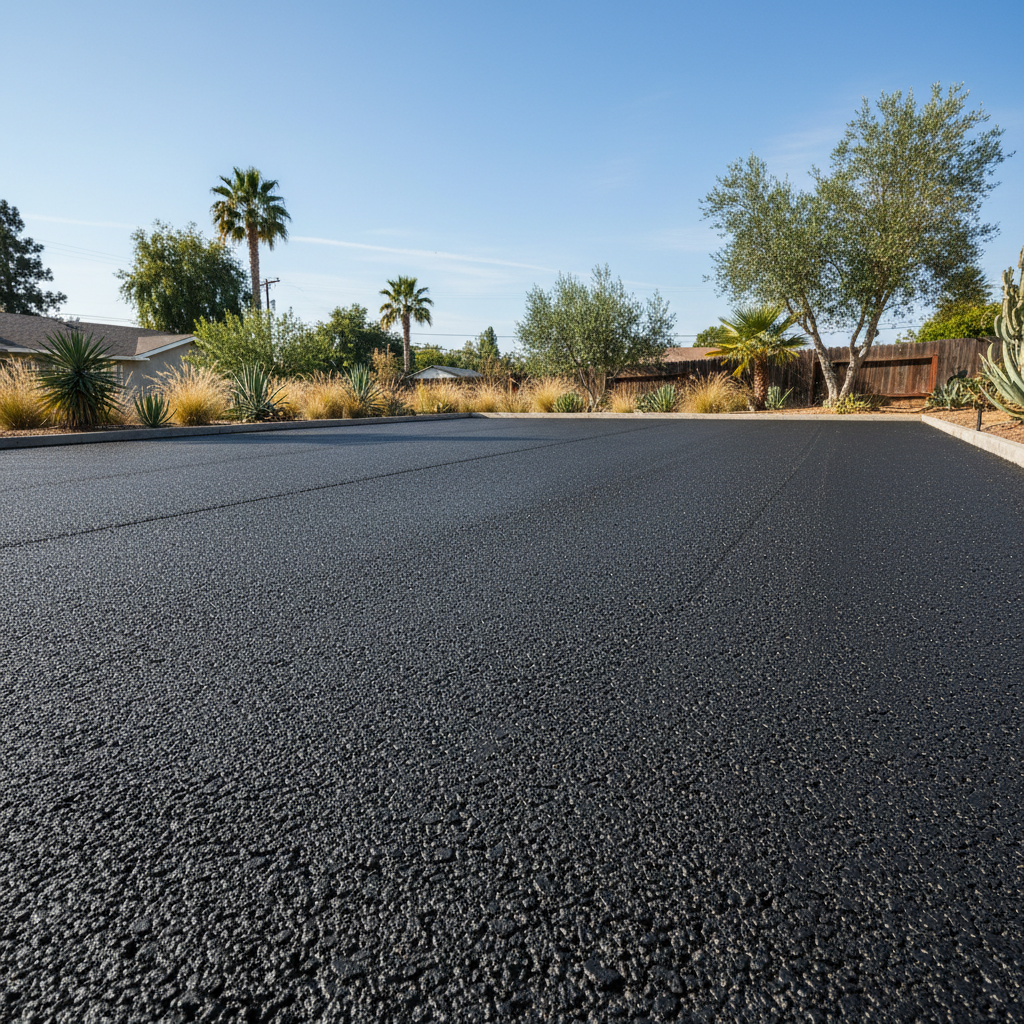
So, you've got a patch of dirt, maybe some gravel, or even just some really cracked-up concrete you're hoping to turn into a proper paved parking spot at your place. Maybe it's for an RV, an extra car, or just to neaten up a shared space. That's a smart move. A well-paved area not only looks better and lasts longer, but it also helps keep the dust down – which, let's be honest, is a huge deal here in Van Nuys, especially when those Santa Ana winds really start kicking up.
Before You Even Think About Paving
First things first, let's talk about what you can actually do yourself versus when you absolutely, positively need to bring in the pros. For a homeowner, 'parking lot paving' usually means something like a bigger driveway, an RV pad, or maybe a small parking spot for an accessory dwelling unit (ADU). It's not quite paving a commercial lot, no, but it's still a pretty big project.
What You Can DIY for Prep:
- Clear the Area: You can totally handle getting rid of brush, weeds, and any surface junk. If there's old gravel that's loose and lumpy, get rid of that too.
- Mark It Out: Grab some stakes and string. Use them to clearly show where your new paved area will go. This helps you picture the space and start thinking about drainage.
- Understand Your Soil: This is a big one. We've got all sorts of soil here in Van Nuys, everything from sandy loam to heavier clays. If your place is in an older area with a lot of fill dirt, or maybe near one of the wash areas, your soil might need more compaction or even some stabilization before you pave. You could dig a few test holes to get a general idea, but don't try to be a soil engineer, okay?
When to Call a Pro (Even Before Paving Starts):
- Permits: For any big hardscaping job, especially if it messes with drainage or crosses property lines, you'll probably need permits from the City of Los Angeles Department of Building and Safety. Don't skip this step. Seriously, it's a headache you don't want. A good contractor will actually help you figure this stuff out.
- Drainage Plan: Water is pavement's worst enemy. You need to make sure rainwater flows away from your house and off your property without just sitting there. Often, this means grading the area correctly. It's not just about making it flat; you need a subtle slope. This is definitely a job for someone with experience and the right equipment.
- Subgrade Preparation: This is the foundation of your parking area. It involves compacting the existing soil and usually bringing in aggregate base — like crushed rock — to make a stable layer that can handle weight. If this isn't done right, your asphalt will crack and fall apart way too soon. You might be able to do a small, shallow patch yourself with a rented plate compactor, but for anything substantial, you'll want heavy equipment and real expertise.
During the Paving Project
Once all that prep work is finished, the actual paving part moves pretty fast. This is almost entirely a professional job. You won't be laying hot asphalt yourself, trust me.
What the Pros Do:
- Applying the Binder/Tack Coat: This is a sticky liquid asphalt emulsion. They spray it on the prepared base. It helps the new asphalt layer stick to the base layer.
- Laying the Asphalt: Hot asphalt mix gets delivered by truck, then an asphalt paving machine spreads it out evenly. The thickness of the asphalt matters, you know? For a residential parking area that sees regular car traffic, we typically suggest at least 2-3 inches of compacted asphalt. If you're parking heavy trucks or an RV, you might need more.
- Compaction: Right after they lay it down, the asphalt needs heavy rollers to compact it. This makes it dense, durable, and smooth. Proper compaction is absolutely crucial for how long it'll last. You just can't get this done with a rented plate compactor.
Your Role While They're Paving:
- Stay Out of the Way: Seriously. Hot asphalt is dangerous, and heavy machinery is no joke.
- Ask Questions: Don't be shy about asking your contractor about the process, what materials they're using, or the timeline. Here at Majestic Asphalt Company, we're always happy to explain what we're doing and why.
- Check Progress: Just make sure the work is moving along as you both discussed. Take a look at the edges, how smooth it is, and the overall appearance.
After the Paving is Done
The job isn't quite over just because the asphalt is laid. There's a curing period, and you'll have some maintenance to do.
- Curing Time: You can't just drive on fresh asphalt right away. Usually, you'll need to keep off it for at least 24-72 hours, sometimes longer if it's a really hot day. The asphalt needs time to cool down and harden up. Your contractor will give you exact instructions.
- Initial Care: For the first few months, try not to park heavy vehicles in the exact same spot every day, especially when it's hot out. The asphalt is still hardening, and heavy, concentrated weight can cause dents. Also, don't turn your steering wheel sharply while stopped on new asphalt.
- Sealcoating: This is your best friend for protecting your investment. About 6-12 months after installation, you should put down a sealcoat. This protects the asphalt from UV rays, water getting in, and oil spills. You could try doing this yourself for a very tiny area, but for anything bigger than a single car spot, it's messy, and you'll get a more consistent, even application if you leave it to professionals.
- Crack Repair: Small cracks will eventually pop up because of weather, traffic, and ground movement. Deal with them quickly! Don't let them get bigger. You can buy crack filler at hardware stores for minor cracks, but for anything significant or widespread, give us a call. Water getting into those cracks is what leads to potholes and major damage.
- Cleaning: Keep your parking area clean. Sweep away dirt and debris regularly. And promptly clean up any oil or gas spills; those can degrade the asphalt over time.
Paving a parking area is a pretty big undertaking for a homeowner, but with the right planning and professional help where it really counts, you'll end up with a durable, good-looking surface that adds value and functionality to your property. If you're in Van Nuys and thinking about a project like this, give us a call at Majestic Asphalt Company. We're here to help you get it done right.